
Free Advanced Levantine Arabic Lesson: Master كان بدي, زعلان & Real-Life Sentences #7
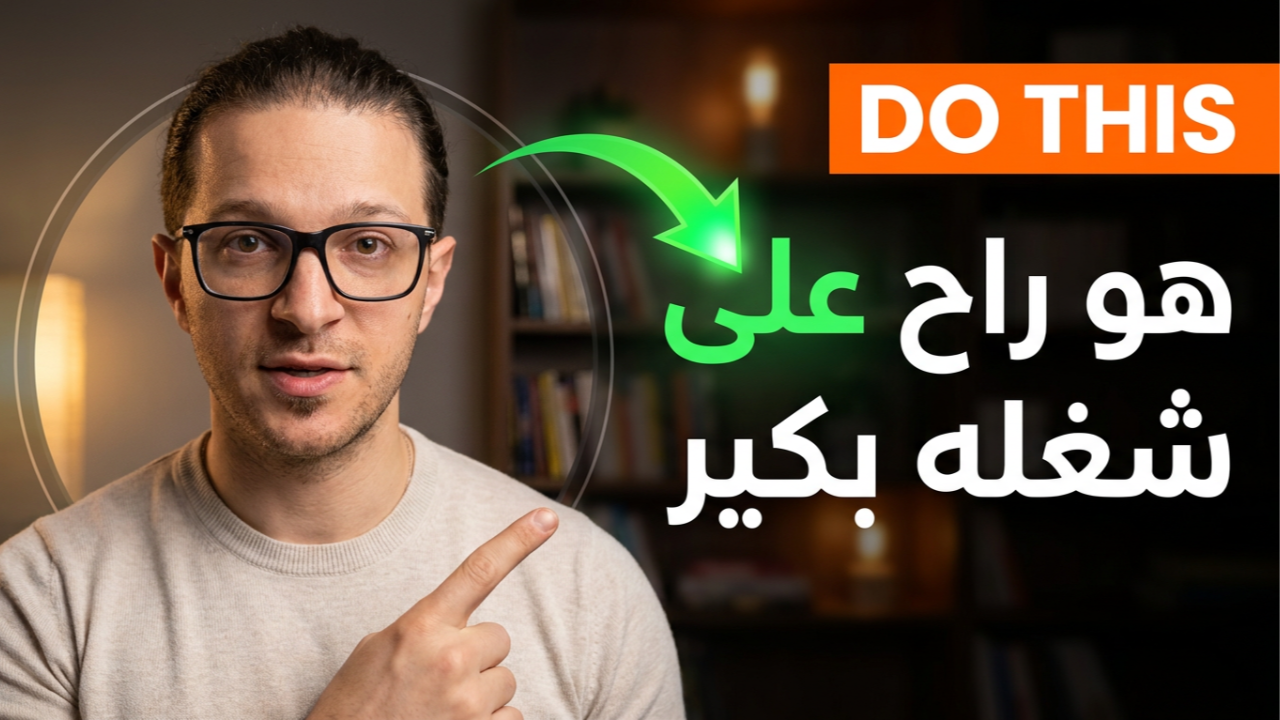
Master These Levantine Arabic Sentence Structures for Real-Life Conversations
Free Advanced Lesson with Omar Nassra | Nassra Arabic Method
Why These 5 Sentence Structures Will Transform Your Levantine Arabic Fluency
Most Arabic learners get stuck at the "textbook stage." They know vocabulary and basic grammar, but when a native speaker talks about their day, their feelings, or what they almost did yesterday, everything falls apart.
This advanced Levantine Arabic lesson with Omar Nassra fixes that gap.
In this practical live session, you’ll master the exact sentence patterns native speakers use every day to:
- Describe work routines and commuting
- Explain why someone is late (and how they feel about it)
- Express unfulfilled intentions from the past using كان بدي (kaan biddi)
- Connect ideas naturally with “because” and “but”
- Build longer, more natural stories instead of short disconnected sentences
These structures are the bridge between intermediate and truly conversational Levantine Arabic.
Watch the full live lesson here: https://youtu.be/RSwfwpvFuqc
Lesson Objectives
By the end of this lesson you will be able to:
- Confidently describe daily work routines and commuting in Levantine Arabic
- Explain lateness and express emotional reactions using زعلان
- Use the powerful كان بدي structure to talk about past desires and unfulfilled plans
- Connect sentences naturally with لأنو (because) and بس (but)
- Build longer, more natural mini-stories instead of isolated sentences
- Sound significantly more fluent and native-like in everyday conversations
1. Talking About Work Routines & Commuting
One of the most common topics in any language is “What did you do today?” or “Why are you late?”
Key Vocabulary & Phrases
Arabic: على المكتب
Transliteration: 3ala l-maktab
English: At the desk / at the office
Arabic: راحت على شغلها بكير
Transliteration: raa7it 3ala shughulha bkeir
English: She went to her work early
Arabic: راح على شغله متأخر
Transliteration: raa7 3ala shughlo mta'akhar
English: He went to his work late
Why This Matters
Native speakers rarely say “I went to work” in isolation. They add time, emotion, or reason. Mastering these small additions makes your Arabic sound alive.
Quick Practice:
- She went to the office early today.
- He went to work late yesterday because of the traffic.
2. Expressing Emotions: “I’m Upset” (زعلان)
Being able to say how you feel about a situation is crucial for real connection.
Arabic: زعلان / زعلانة
Transliteration: za3laan (m) / za3laane (f)
English: Upset, sulking, annoyed, a bit angry (a very common Levantine emotional state)
Example in Context
Arabic: كان زعلان لأنو راح متأخر
Transliteration: kaan za3laan la'anno raa7 mta'akhar
English: He was upset because he went late.
This single word زعلان carries much more cultural nuance than just “angry.” It often implies a mix of disappointment + slight resentment — very useful in daily life!
3. The Game-Changer Structure: كان بدي (I Wanted To…)
This is one of the most useful advanced structures in Levantine Arabic.
كان بدي = Past form of “I want” used to express:
- What you wanted / intended to do (but often didn’t)
- Polite or softer past requests
- Unfulfilled plans
Core Pattern
كان بدي + verb (in present/imperfect form)
Arabic: كان بدي أروح عالحفلة مبارح
Transliteration: kaan biddi aruu7 3al-7afle mbaari7
English: I wanted to go to the party yesterday
Arabic: كان بدي أروح، بس كنت مشغول كتير
Transliteration: kaan biddi aruu7, bas kint mashghool kteer
English: I wanted to go, but I was very busy
Why Learners Struggle Here
Many students translate directly from English “I wanted to go” and miss the natural flow. كان بدي + reason/obstacle is how natives actually speak.
4. Connecting Ideas Naturally: “Because” & “But”
Real Arabic is not a list of short sentences. It flows.
Key Connectors
Arabic: لأنو / لأن
Transliteration: la'anno / la'an
English: Because
Arabic: بس
Transliteration: bas
English: But
Powerful Combined Examples from the Lesson
Arabic: كان بدي أروح عالحفلة مبارح، بس كنت مشغول كتير. راحت ناهد عالشغل بكير، وهو راح متأخر. كان زعلان لأنو تأخر.
Transliteration: kaan biddi aruu7 3al-7afle mbaari7, bas kint mashghool kteer. raa7it nahed 3ash-shughul bkeir, w huwwa raa7 mta'akhar. kaan za3laan la'anno ta'akhar.
English: I wanted to go to the party yesterday, but I was very busy. Nahed went to work early, and he went late. He was upset because he was late.
Arabic: بعدين راحت عالمستشفى، بس بعرف إنو سارة
Transliteration: ba3dein raa7it 3al-mustashfa, bas ba3rif inno saara...
English: Then she went to the hospital, but I know that Sarah...
These longer sentences are exactly what advanced learners need to practice to move beyond “I went… I wanted… I was busy.”
5. Full Mini-Story Practice (Build Your Own Version)
Use the structures from the lesson to create your own short story:
Template: كان بدي [action] مبارح، بس كنت [reason]. راحت [person] عالشغل بكير / راح متأخر. كان/كانت زعلان/زعلانة لأنو...
Your Turn (write or speak):
- I wanted to visit my friend yesterday, but I was very busy at the office.
- She went to work early. He went late and was upset because of the traffic.
- We wanted to go to the hospital visit, but something came up.
Record yourself and compare with the lesson style.
Common Mistakes to Avoid
- Using MSA past tense instead of Levantine flow — Levantine prefers simpler past + connectors.
- Forgetting the “obstacle” after كان بدي — Natives almost always add why it didn’t happen.
- Overusing “أنا” — In Levantine, subject pronouns are often dropped when clear from context.
- Translating “upset” too literally — زعلان is more specific and common than غاضب in daily speech.
How This Lesson Fits the Nassra Arabic Method
The Nassra Arabic Method (Fluent in Six Months) focuses on:
- Verb mastery in real sentences (not isolated conjugation tables)
- Storytelling & context — exactly what we did here with work + emotions + past intentions
- Natural connectors that make you sound fluent fast
- Practical daily topics that actually come up in conversations with native speakers
This advanced lesson builds directly on the beginner and intermediate foundations taught in the full online course.
Ready to Go From Intermediate to Truly Conversational?
Watching one lesson is powerful. But consistent, structured practice with feedback is what creates real fluency.
Here’s what Omar Nassra students get:
- Complete Levantine Arabic beginner-to-advanced online course
- Full transcripts in Arabic + English + transliteration
- Verb mastery system that actually sticks
- Live practice sessions & community
- AI Teaching Assistant trained on Omar’s exact method
- Bonus: Free copy of the book Teach Yourself Spoken Arabic
→ Start Your Levantine Arabic Journey Today
Free Resources:
- Watch more free lessons on the YouTube Channel
- Explore the full blog with free Levantine lessons: omarnassramethod.com/blog
- Join the podcast for listening practice
Frequently Asked Questions
What level is this lesson for? Advanced beginner to intermediate. You should already know basic present and past tense verbs and common vocabulary.
Is this Syrian, Lebanese, or general Levantine? Omar teaches a clear, widely understood Syrian/Lebanese-focused Levantine that works across the Levant and is understood by most Arabic speakers.
How long until I can use these structures naturally? With daily practice (15–30 mins), most dedicated students start sounding much more natural within 3–6 weeks when combining this lesson with the full method.
Do I need to know MSA first? No. The Nassra Method teaches you to speak Levantine Arabic directly and effectively from day one.
Can I download the sentences from this lesson? Yes — students in the full course receive downloadable PDFs and audio. Start with the free lessons on the blog and YouTube to get a taste.
Share this lesson with anyone who wants to move beyond textbook Arabic and actually sound natural in Levantine conversations.
Which structure are you going to practice first — كان بدي or زعلان? Let us know in the comments!
Leran Arabic Online
Learn Arabic Online With Nassra Arabic Method
6-Month Online Membership.
Gain access to over 900 hours of content, including a 4K video library, audio Arabic lessons, and podcasts. Our carefully curated lessons cover a wide range of topics, allowing you to master the intricacies of Levantine and Gulf Arabic dialects. With downloadable transcripts, you can study at your own pace, anytime, anywhere.
Recent Posts
