How to Talk About Your Future Plans in Levantine Arabic (ممكن + رايح) Free Lesson
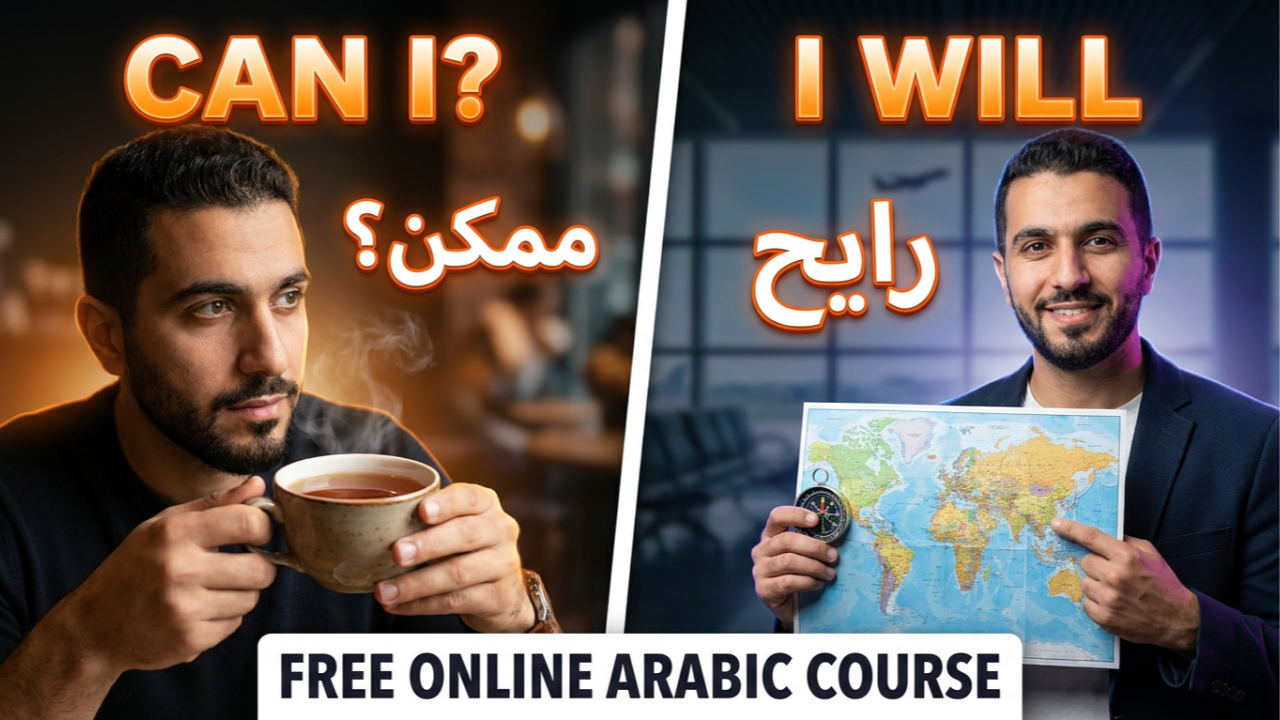
One of the fastest ways to sound natural in Levantine Arabic is learning how to talk about your plans and make polite requests.
In this practical lesson from the Nassra Arabic Method, Omar Nassra teaches you two powerful tools:
- ممكن (Mumkin) — for polite requests and possibilities (“Can I…?”, “Could you…?”, “Maybe…”)
- رايح / رايحة (Rayih / Rayiha) — the most common way to express future plans (“I’m going to…”)
By the end of this lesson, you’ll be able to confidently talk about your day, make plans with friends, ask for things in cafés and restaurants, and discuss travel or work plans.
Watch the full lesson here: https://youtu.be/iiPBQwqG0uI
1. The Magic Word: ممكن (Mumkin)
ممكن is one of the most useful words in spoken Levantine Arabic. It means “can”, “could”, “possible”, or “maybe”.
Polite Requests (at cafés, restaurants, shops)
- ممكن شاي؟ — Mumkin shāy? → Can I have some tea?
- ممكن قهوة؟ — Mumkin qahwa? → Can I have some coffee?
- ممكن الحساب؟ — Mumkin al-ḥisāb? → Can I have the bill? / Could I pay?
- ممكن تحكي عربي شوي شوي؟ — Mumkin taḥkī ʿarabī shway shway? → Can you speak Arabic slowly?
- ممكن تساعدني لو سمحت؟ — Mumkin tisāʿidnī law samaḥt? → Can you help me, please?
Expressing Possibility (“Maybe…”)
- اليوم ممكن أشوف رفقاتي — Al-yawm mumkin ashūf rifqātī → Today I might see my friends.
- بكرة ممكن أشتري موبايل جديد — Bukra mumkin ishtirī mobāyl jadīd → Tomorrow I might buy a new phone.
Tip: Add شوي (shway) = a little / a bit to sound even more natural.
2. Talking About the Future: رايح / رايحة (I’m Going to…)
In Levantine Arabic, we usually use رايح (for masculine) and رايحة (for feminine) + verb to talk about future plans. It literally means “going to”.
Positive Future Plans
| English | Levantine Arabic | Transliteration | Gender |
|---|---|---|---|
| I’m going to work today | رايح على الشغل اليوم | Rayiḥ ʿala al-shughul al-yawm | Male |
| I’m going to the shop | رايحة على المحل | Rayiḥa ʿala al-maḥal | Female |
| I’m going to see a movie with my friends | رايح أشوف فيلم مع رفقاتي | Rayiḥ ashūf film maʿ rifqātī | Male |
| I’m going to buy some things from the market | رايح أشتري شوية أغراض من السوق | Rayiḥ ishtirī shwayyet aghrāḍ min al-sūq | Male |
| I’m going to travel to Lebanon next year | رايح أسافر على لبنان السنة الجاية | Rayiḥ asāfir ʿala Lubnān al-sineh al-jāye | Male |
Asking Someone About Their Plans
- لوين رايح؟ — Wayn rāyiḥ? → Where are you going? (to a man)
- لوين رايحة؟ — Wayn rāyiḥa? → Where are you going? (to a woman)
3. Saying “I’m NOT Going to…” (Negation)
Use مش (mish) before رايح / رايحة:
- مش رايحة على الشغل اليوم — Mish rāyiḥa ʿala al-shughul al-yawm → I’m not going to work today (because I feel a bit sick).
- مش رايحة على المطعم… لأنو مش جوعانة — Mish rāyiḥa ʿala al-maṭʿam… li’anno mish jawʿāne → I’m not going to the restaurant… because I’m not hungry.
4. Useful Conversation Phrases
These phrases help you have natural back-and-forth conversations about plans:
- بدك تشوف فيلم اليوم؟ — Biddak tshūf film al-yawm? → Do you want to see a movie today?
- ممكن، ليش لا؟ — Mumkin, laysh lā? → Maybe, why not?
- ما بعرف شو بدي أساوي — Ma baʿrif shū biddī asāwī → I don’t know what I want to do.
5. Real-Life Example Sentences (Categorized)
Daily Plans
- رايح على الشغل بعد الغدا → I’m going to work after lunch.
- رايح أقابل صاحبي بعد ما أخلّص شغلي → I’m going to meet my friend after I finish work.
Social Plans
- رايح أشوف فيلم مع رفقاتي هالمسا → I’m going to watch a movie with my friends this evening.
- اليوم ممكن أشوف رفقاتي → Today I might see my friends.
Travel & Future Goals
- رايح أسافر على لبنان السنة الجاية → I’m going to travel to Lebanon next year.
- رايح أبدأ شغل بشركة جديدة الأسبوع الجاي → I’m going to start working at a new company next week.
Shopping
- رايح أشتري شوية أغراض من السوق → I’m going to buy some things from the market.
Practice Exercises
- Say 5 things you’re going to do tomorrow using رايح.
- Turn these into negative sentences using مش رايح.
- Practice polite requests using ممكن (ask for tea, the bill, help, etc.).
- Role-play: Ask a friend “بدك تشوف فيلم اليوم؟” and respond with “ممكن، ليش لا؟”
- Create your own sentence: “I’m going to travel to [country] next year.”
Why This Lesson Is So Effective
Most Arabic learners struggle to move beyond “hello” and “how are you?”. This lesson gives you the tools to:
- Make polite requests in real situations
- Talk about your actual daily plans and future intentions
- Have natural back-and-forth conversations
This is the heart of the Nassra Arabic Method — learning structures you can use immediately in real life.
Ready to Speak Levantine Arabic Fluently?
This lesson is part of a complete system that teaches you verbs in context, storytelling, real dialogues, and structured progression from beginner to intermediate.
👉 Join the full Levantine Beginner Online Course https://www.golearnarabiconline.com/
You’ll get step-by-step lessons, transcripts, exercises, and everything you need to speak real Levantine Arabic with confidence.
Frequently Asked Questions
Q: Is رايح the only way to talk about the future in Levantine Arabic? A: It’s the most common and natural way for plans and intentions. You’ll also hear other structures later, but this one gets you speaking immediately.
Q: What’s the difference between ممكن and بدي? A: بدي = I want (strong desire). ممكن = Can I…? / Could…? / Maybe… (more polite and flexible).
Q: Can I use these phrases in Lebanon, Syria, Jordan, and Palestine? A: Yes. These are core Levantine structures used across the region.
Q: How do I remember the gender forms (rayih vs rayiha)? A: Think of it like “I’m going” — the ending changes depending on whether you’re male (-ih) or female (-iha).
What are you going to do this week? Write one sentence using رايح or ممكن in the comments!
This blog post is based on the original Nassra Arabic Method lesson and focuses on practical, conversational Levantine Arabic.
Leran Arabic Online
Learn Arabic Online With Nassra Arabic Method
6-Month Online Membership.
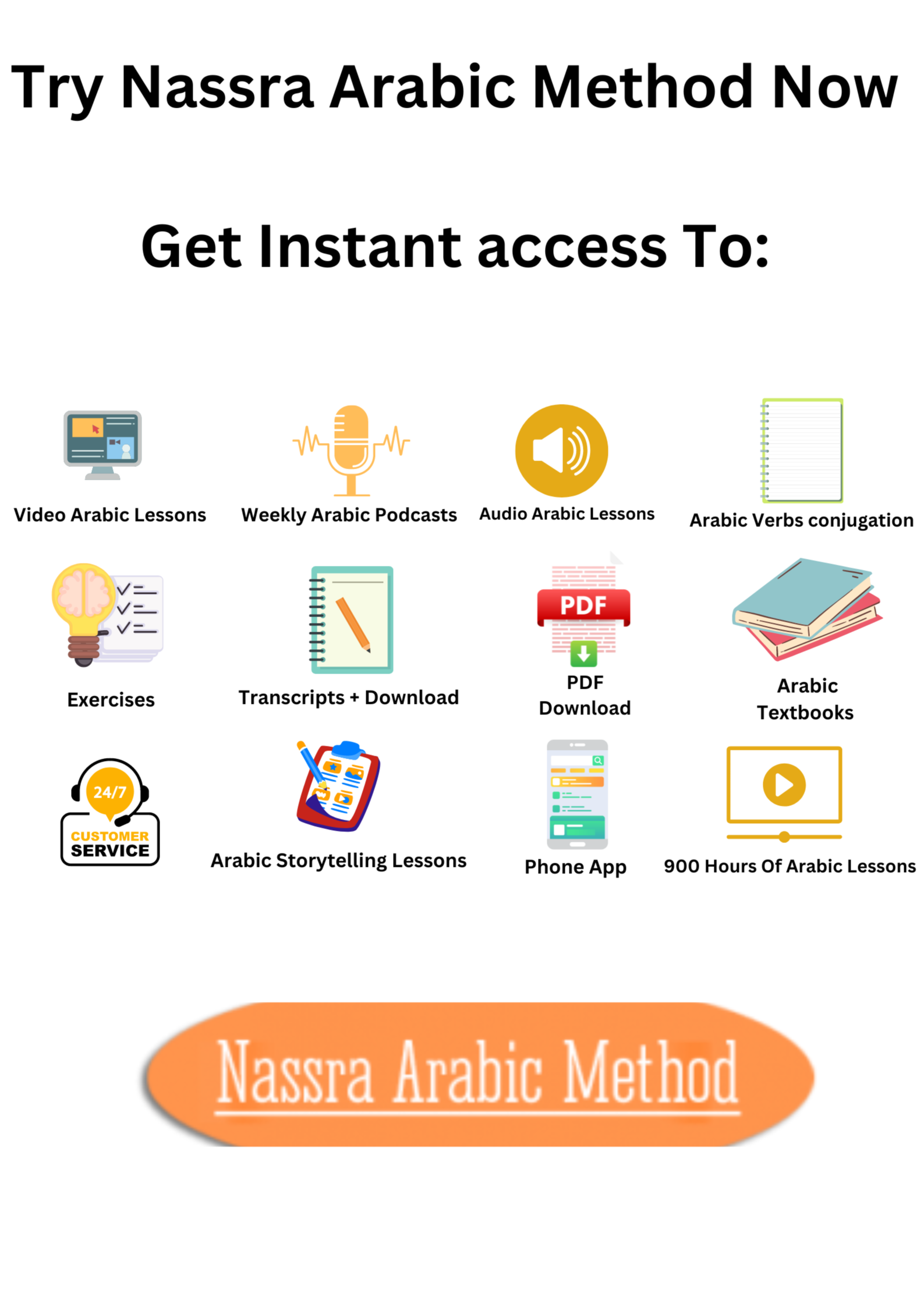
Gain access to over 900 hours of content, including a 4K video library, audio Arabic lessons, and podcasts. Our carefully curated lessons cover a wide range of topics, allowing you to master the intricacies of Levantine and Gulf Arabic dialects. With downloadable transcripts, you can study at your own pace, anytime, anywhere.
Recent Posts
